
Why Singapore Remains an Ideal Gateway for Global Expansion
Stellar Bridge Group | 28 January 2026
Introduction
As global businesses navigate increasing geopolitical uncertainty, supply chain reconfiguration, and regulatory complexity, the choice of where to establish regional or international operations has become more strategic than ever. For companies expanding beyond their home markets—whether into Asia, the Middle East, or further afield—Singapore continues to stand out as a preferred gateway.
More than a financial centre, Singapore has evolved into a comprehensive international business platform, combining regulatory clarity, operational efficiency, and global connectivity. These attributes make it a natural base for enterprises seeking to manage cross-border growth in a disciplined and sustainable manner.
Strategic Location at the Heart of Asia
Singapore’s geographic position places it along major sea and air corridors connecting Asia with global markets. This proximity allows companies to coordinate regional operations, manage supply chains, and respond quickly to developments across multiple jurisdictions.
Beyond location, Singapore’s port, aviation infrastructure, and digital connectivity reinforce its role as a logistics and coordination hub. For enterprises operating across Southeast Asia and North Asia, Singapore provides a practical base from which management, finance, and governance oversight can be centralised.
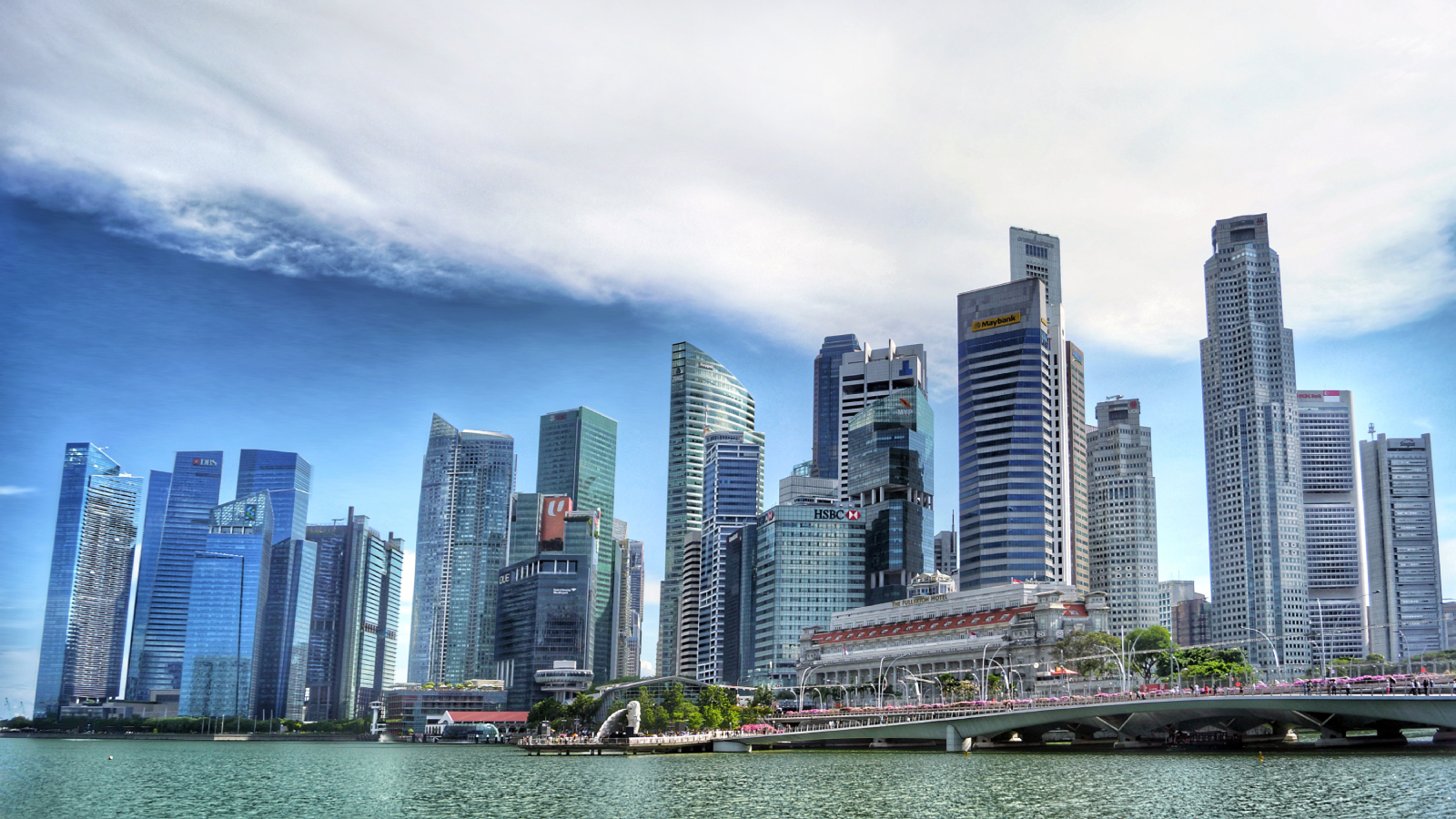
Singapore’s strategic position along major Asian trade routes makes it a natural coordination hub for regional and global operations.
A Stable and Transparent Regulatory Environment
One of Singapore’s most compelling strengths is its predictable and transparent regulatory framework. Businesses benefit from clear rules, consistent enforcement, and a legal system that is widely trusted by international investors and enterprises.
For companies expanding globally, regulatory certainty is more than a compliance matter—it is a strategic asset. Singapore’s governance standards reduce execution risk, facilitate long-term planning, and support confidence among shareholders, partners, and financial institutions.
Talent, Infrastructure, and Ecosystem Depth
Singapore offers access to deep professional talent across finance, accounting, legal, technology, and operations. Its emphasis on professional standards, coupled with openness to international expertise, supports companies managing complex, multi-jurisdictional requirements.
In parallel, Singapore’s infrastructure—both physical and digital—enables efficient execution. From banking and payments to corporate services and professional advisory ecosystems, enterprises can access the resources required to scale without operational fragmentation.
A Preferred Base for Regional and Global Structuring
For many enterprises, Singapore serves as a regional headquarters, holding company location, or operational nerve centre. Its reputation as a trusted jurisdiction, strong financial system, and extensive network of international relationships make it suitable for coordinating activities across Asia and beyond.
Companies often leverage Singapore to manage regional subsidiaries, centralise finance and reporting functions, support cross-border transactions, and strengthen capital markets readiness. In practice, Singapore frequently complements other hubs—such as Hong Kong or Dubai—within an integrated cross-border operating model.
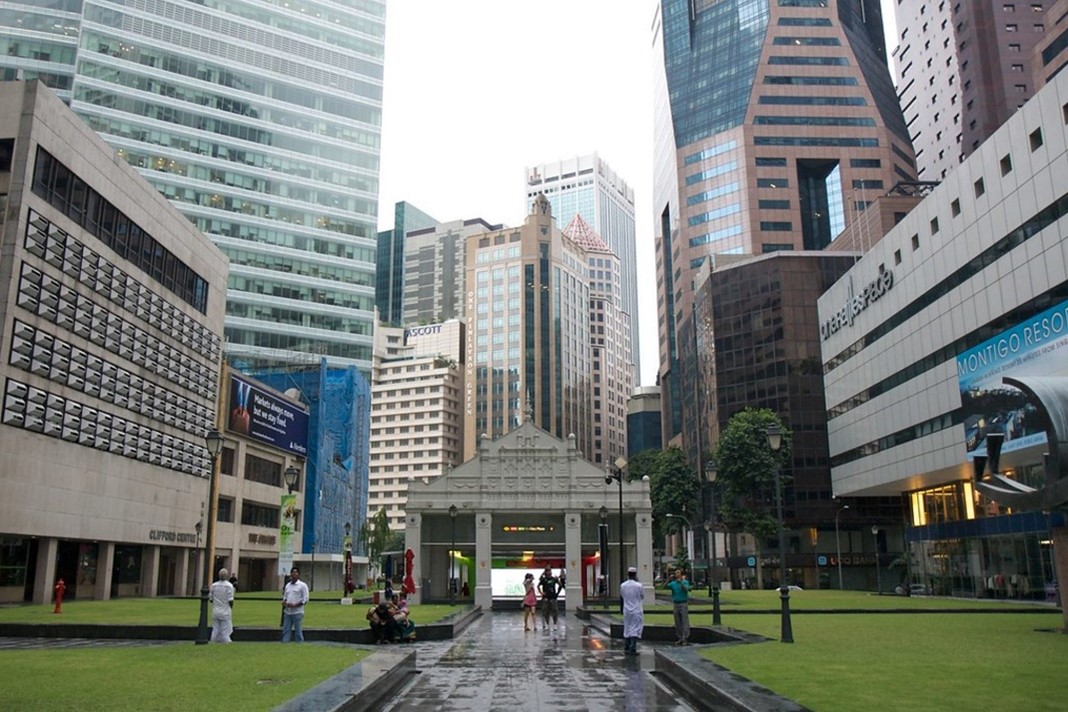
Singapore acts as a bridge between Asia and global markets, supporting cross-border structuring, capital flows, and international expansion.
Supporting Sustainable Global Growth
In an era where expansion strategies must balance ambition with discipline, Singapore provides an environment that supports sustainable global growth. Its emphasis on governance, risk management, and operational integrity aligns well with enterprises building long-term international platforms.
For both Asian companies going global and multinational enterprises expanding into Asia, Singapore offers a rare combination of accessibility, credibility, and execution capability—making it an enduring gateway for global expansion.
Key Takeaway
Singapore’s enduring appeal as a global gateway lies in the integration of location, regulation, talent, and infrastructure. As businesses reassess how and where they expand internationally, Singapore remains a compelling choice for enterprises seeking clarity amid complexity.
Understanding how Singapore fits within a broader international strategy is an important step toward building resilient and scalable global operations.

